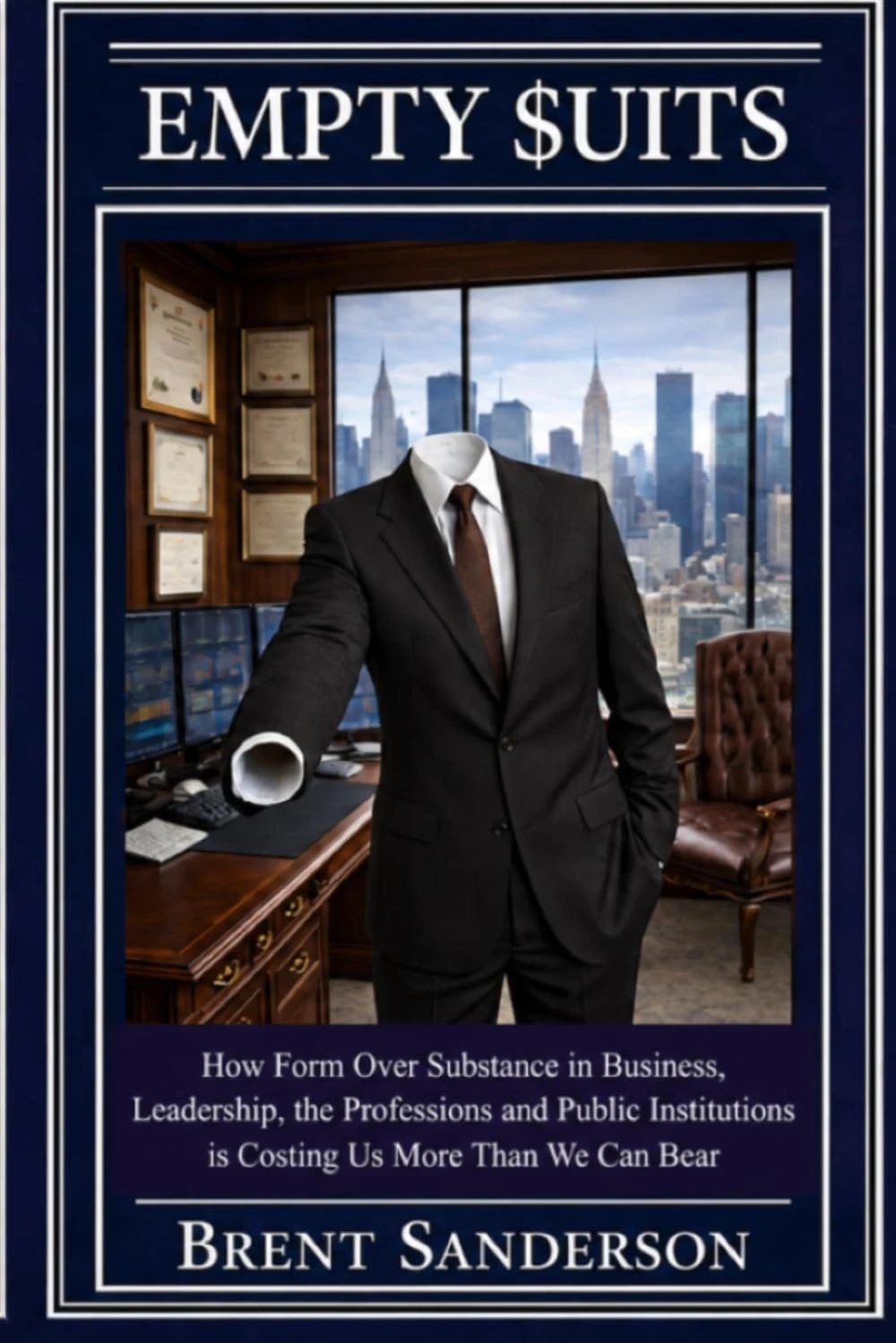
By Todd De Ryck & Brent Sanderson
Sunday, December 6 at 8 p.m. (ET)
For decades, investors have been led to believe that they are receiving objective, professional advice from their financial advisor. Far too commonly however, financial advisors and the firms that they work for are rife with conflicts of interest, perpetuate long disproven investing myths, and profit handsomely from unnecessarily high fees and commissions on high-cost investment products, all at the expense of their clients’ financial well-being. It is estimated that the compounded effect of the unjustifiably high fees charged by the wealth management industry has cost North American retail investors more than $2 trillion in forgone wealth over the 1991 through 2020 period alone. Until recently, the traditional wealth management industry has evaded accountability for failing to put their clients’ interests at the center of the advice they give. The good news however, is that there may never have been a better time in history than today to be an average investor. After exposing the worst of the wealth management industry’s shortcomings, your host will share alternatives to this predatory business model that you can use in order to better ensure your own future financial security.
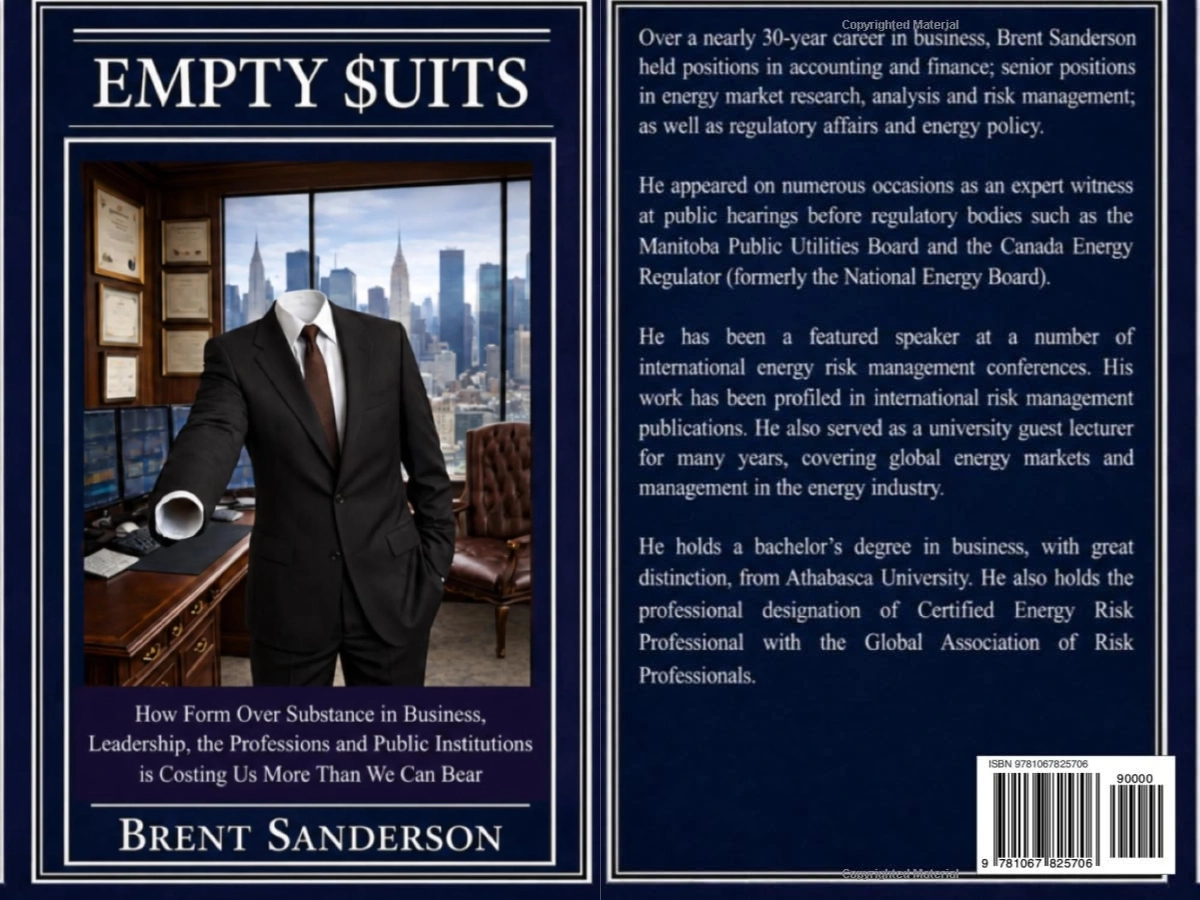
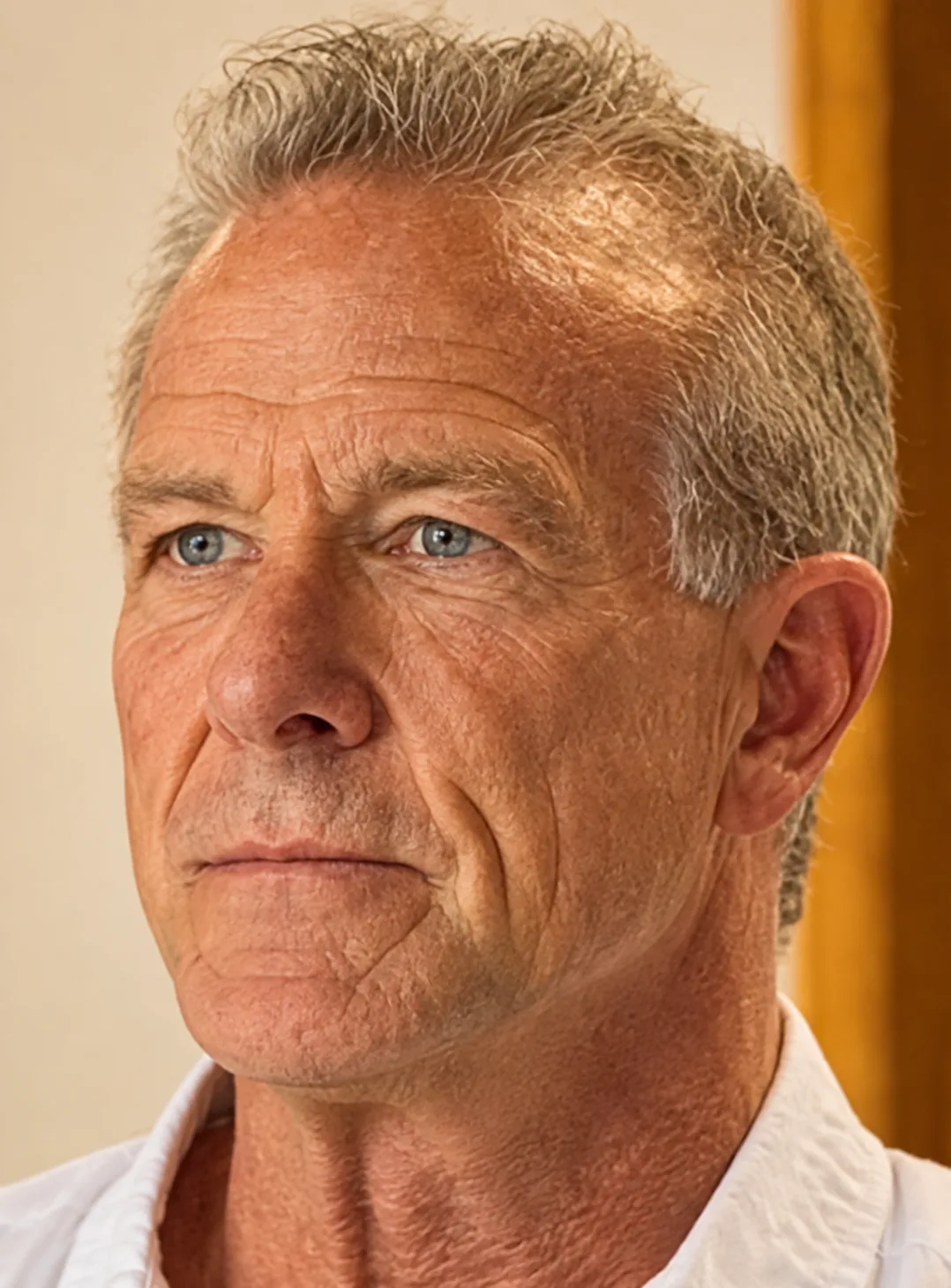
Over a nearly 30-year career in business, Brent Sanderson held positions in accounting and finance; senior positions in energy market research, analysis and risk management; as well as regulatory affairs and energy policy. He appeared on numerous occasions as an expert witness at public hearings before regulatory tribunals including the Manitoba Public Utilities Board and the Canada Energy Regulator (formerly the National Energy Board). He has been a featured speaker at a number of international energy risk management conferences. His work has been profiled in international risk management publications. He also served as a university guest lecturer for many years, covering global energy markets and management in the energy industry. He holds a bachelor’s degree in business, with great distinction, from Athabasca University. He also holds the professional designation of Certified Energy Risk Professional with the Global Association of Risk Professionals.