
Todd De Ryck
We must ensure our energy policies are sufficiently safe and based on science, engineering, evidence and data!
An article in the April 20th, 2026 edition of the Winnipeg Free Press, “Energy security, not more gas tax cuts,” mentions that France and the Philippines are investing in renewables and storage. What was not mentioned is that the Strait of Hormuz closing had minimal impact on France’s electricity because nuclear energy makes it electricity-independent. March 12, 2026, France’s Nuclear Policy Council – headed by President Emmanuel Macron—reconfirmed the need to revitalise the country’s nuclear power industry in order “to guarantee France’s sovereignty, make energy accessible to the French people and our businesses, and combat climate change”. France averaged 31 grams of CO2/kWh in emissions in all of 2025 (and has maintained this for over 40 years), while Germany emitted 342, despite spending 500+ billion euros on its “energy transition” in the last 20+ years (the Philippines was over 500, and Spain was 136). Earlier in 2026, German Chancellor Merz stated that Germany’s exit from nuclear power was a “strategic mistake,” as did European Commission President Ursula von der Leyen regarding Europe’s exit from nuclear power. The Philippines is certainly interested in nuclear power, including finally putting the Bataan nuclear power plant into service.
Energy storage was also mentioned in the Winnipeg Free Press article. BESS (Battery energy storage system) consume more electricity than they deliver and spend more time charging than discharging. There is much hype about BESS, but when the numbers are examined, the hype may not be completely warranted. Read technical details about the “Pros and Cons of Utility-scale Battery Storage”.
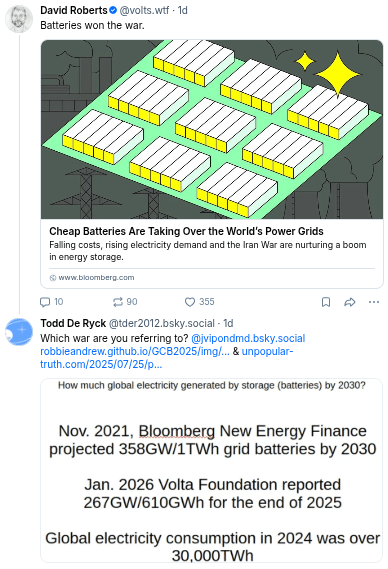
Spain was mentioned in the Winnipeg Free Press article, but their April 28, 2025 blackout was not mentioned. The causes of the Spanish blackout on April 28, 2025 are still debated. However, a thorough examination of the data clearly shows that weather-dependent electricity generators played a major role in the cause. In the official report, it is clearly articulated that wind and solar did not contribute to the grid’s restart; they were permitted to rejoin the network only after it was stabilized.
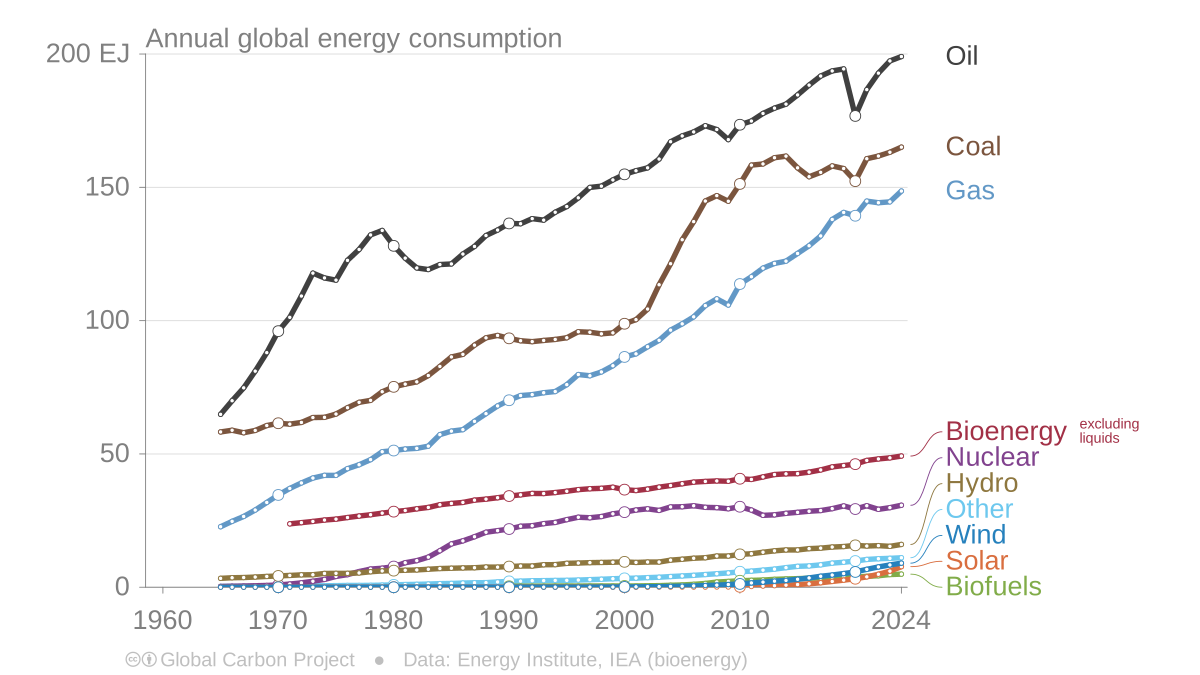
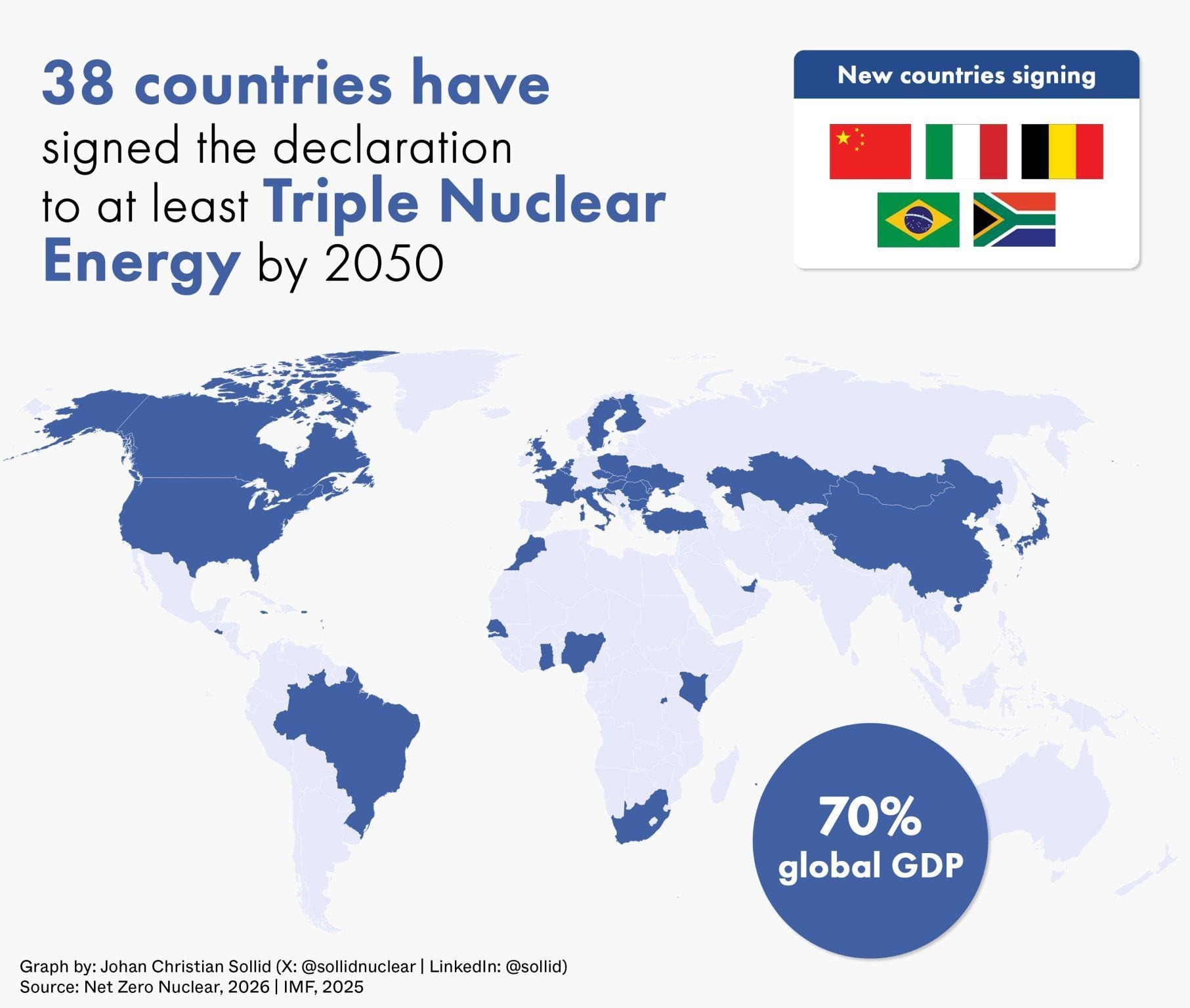
The Spanish blackout spurred increased support for nuclear energy, evidenced by more countries committing to at least triple nuclear power by 2050. From June 19, 2025, “Estonia abandons target to produce 100% of domestic energy renewably” and “Climate Minister Andres Sutt also stated that nuclear energy is now a priority.” Despite spending $ trillions globally on weather-dependent electricity generators over the last 20+ years, this has done almost nothing to permanently displace fossil fuel production, as this “global annual energy consumption” graph clearly shows.
Given the ever-increasing importance of energy security and climate change emergencies, our energy policies must now be based, more than ever, on science, engineering, evidence and data. Please consider learning more about nuclear energy and read “Going Nuclear” by Dr. Tim Gregory. Watch the recording of the Feb. 9th webinar “Various Nuclear Reactor Types with Dr. Matthew Memmott“.